

Inside the IoL Policy and Stakeholder Team
Supporting the Profession, Shaping Policy and Building Partnerships
Sue Nelson, Director of Policy and Stakeholder Engagement, Institute of Licensing
I love the IoL. I always have. I love that at its heart, the IoL is about partnership working, excellence and a profession which should be recognised as an enabler, protector, negotiator and manager in a multitude of areas. I love the fact that licensing practitioners generally all want the same thing: for licensing to work; to deliver its purpose (almost always related to protection of people, animals and places); and to achieve this with minimum burdens on all parties (business, communities and regulators).
Best of all, my role enables me the opportunity to work alongside dedicated professionals, stakeholders and partners who are committed to improving licensing and regulation across the UK.
The Policy and Stakeholder Department sits at the heart of much of the IoL’s external engagement, policy development, membership support, communications and professional recognition activity. While much of our work takes place behind the scenes, it is all focused on a common objective: championing licensing and licensing professionals, supporting effective regulation, and helping ensure that licensing continues to deliver positive outcomes for communities, businesses and the public.
A Team Effort
Our stakeholder engagement activity continues to grow, with Ellie playing a key role in managing engagement through our policy committees and stakeholder groups, including the National Licensing Forum, Local Alcohol Partnerships Group and the National Taxi and Private Hire Licensing Working Group (the National Taxi Group).
Membership is, and always will be, the lifeblood of the IoL. Every policy response we submit, every webinar we deliver, every piece of guidance we produce and every conference we organise is ultimately about supporting our members and strengthening the profession.
Our membership services are in good hands with Bernie, together with Natasha, who supports and increasingly leads many aspects of our membership engagement. Ensuring members receive value, opportunities to connect with peers, access to professional development and a strong professional voice remains a key priority for us, and an area that we will be focusing future develop around.
Events, conferences and webinars continue to play a central role for the IoL, and it is always a pleasure to work with Jenna to develop conference and webinar programmes across the year.
Our conference programme remains one of the most visible ways in which the Institute brings the profession together. These events provide opportunities for practitioners, lawyers, policymakers, government officials, enforcement agencies and industry representatives to learn from one another and discuss future challenges.
Our representation at external events is also incredibly important to the work of the IoL and we are always grateful to our friends and colleagues at the NTIA, LPHCA, PHTM, National Pubwatch, Best Bar None, CAPs and others, who afford us the opportunity to join their events, often with exhibit stands, to engage and promote the work of the IoL, often alongside the Local Alcohol Partnerships Group (LAPG). Caroline is a force for good in this area, travelling the length and breadth of the country to ensure that the IoL is represented, engaging with attendees to continuously raise awareness of the IoL and LAPG.
Through our continued work with the LAPG, we were delighted to organise ‘The Partnership Effect: Supporting safer communities through collaboration and local action’, a one-day conference at West Brewery in Glasgow, for LAPG in partnership with the Scottish Alcohol Industry Partnership (SAIP) (6th October 2026). This event brings together representatives from government, Police Scotland, health partners, local authorities and industry to celebrate the work and potential of partnership schemes including Best Bar None, Pubwatch, CAPs, Street Pastors, and Purple Flag.
Planning is also progressing for a further LAPG event in Westminster, providing a further opportunity to highlight the impact of LAPG schemes in our towns and cities across the UK.
Championing Better Regulation
The IoL’s position has always been that regulation should be effective, evidence-based and proportionate.
Through our Policy Committees, Stakeholder Groups and Working Groups, we bring together experts from across the licensing landscape to consider emerging issues and develop practical solutions.
Working groups are generally established through our Policy Committees. For example, we currently have 3 working groups established through the Taxi Licensing Policy Committee, engaged on the following projects:
- Development of improved approaches to information sharing between agencies.
- Supplementary guidance to support application of the Institute’s Suitability Guidance.
- The development of National Standards for Safeguarding Training.
- Ongoing consideration of wider regulatory reform and professional standards.
These projects are informed by practitioners and stakeholders working together to identify challenges and develop solutions that are both practical and effective.
Our commitment to partnership working is reflected in the IoL’s Partnership Charter, which recognises that regulators, businesses and stakeholders are often working towards the same objectives, namely safe, responsible and thriving communities. The Charter continues to provide an important framework for constructive engagement across the sectors we serve.
Influencing Policy and National Debates
The IoL is regularly engaged with government departments, and national stakeholder organisations on issues affecting licensing and regulation.
Over the past year we have contributed to numerous Government consultations and Calls for Evidence, including discussions relating to high street revitalisation, town centre recovery, the nighttime economy and broader regulatory reform.
We have also written directly to the Department of Health and Social Care regarding proposals relating to Tobacco and Vapes legislation and the development of non-surgical cosmetic licensing frameworks. The first to highlight a flaw in the legislative drafting (no compliance role for licensing authorities in Wales), and the second to urge that implementation is progressed as a priority (it has been going on too long now, and we are still seeing the life changing impact of poor or even dangerous procedures being carried out in the UK in an unregulated environment).
Supporting Learning Through Publications
The IoL’s publications continue to provide an important platform for discussion and professional development. In particular, our LINK Magazine and Journal of Licensing showcase legal developments, policy updates, case law, professional insight and examples of innovation from across the licensing profession.
Both publications are coordinated by Natasha, with support from our communications team, Ellie and me, with a full Editorial Team for the Journal of Licensing, led by Leo Charalambides.
Recognising Excellence
One of the most rewarding aspects of our work is recognising the achievements of licensing professionals. Our awards and recognition programme celebrates excellence, innovation, professionalism and leadership across the sector.
This includes:
- The Jeremy Allen Award, in partnership with Poppleston Allen Solicitors.
- The Charles Holland Award, in partnership with Francis Taylor Building.
- The introduction of the IoL’s inaugural Team of the Year Award.
These awards are expertly coordinated by Natasha, and we are looking forward to the 2026 award presentations at the annual Gala Dinner and Awards evening on Thursday 19th November in Stratford-upon-Avon.
The awards programme aims to recognise and celebrate the people who make licensing work, highlighting innovation, sharing best practice and helping to inspire the next generation of licensing professionals.
Looking Ahead
The breadth of activity taking place across the Policy and Stakeholder Engagement function, is fantastic, and only possible through the collective commitment of our members, volunteers, partners and stakeholders, most of whom freely give their time, expertise and experience to support the profession.
Licensing continues to evolve, bringing new challenges and opportunities. The IoL will continue to champion the profession, support effective and proportionate regulation, bring people together through partnership, and ensure that licensing professionals have a strong and respected voice in shaping the future.
I am incredibly grateful to everyone who contributes to the IoL’s work. Thank you for your continued support, commitment and friendship.
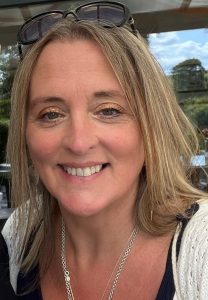
Sue Nelson, Director of Policy and Stakeholders
sue@instituteoflicensing.org